
What is cyber security awareness training?

Cyber threats are evolving. In the early days of computing, most cyber attacks required a deep understanding of hardware and software systems. 

However, as the internet and digital networks became more widely accessible, the landscape of cyber threats shifted, giving cybercriminals more networks through which to launch attacks.   

In the battle against cybercrime, your employees can be your strongest asset. 

This is where cyber security awareness training makes all the difference. Rather than just relying on IT teams to safeguard systems, training helps employees understand their role in protecting sensitive data and avoiding common security pitfalls.

In this guide, we’ll cover everything you need to know about cyber security awareness training. From what it is and why you need it, to the major advantages it offers your business, we’ll explore how training can benefit you and strengthen your security.

What Is Cyber Security Awareness Training, and how does it protect your business?

Businesses worldwide are facing the growing threat of cyber attacks. While modern technology serves a key role in defence, human error remains a weak point. Careless actions or lapses in judgement are in fact a leading cause of data breaches for businesses, and with 83% of companies reporting a significant data breach, it’s more critical than ever for employees to have a strong awareness of cyber threats. 

Cyber security awareness training is a structured educational program designed to teach employees how to recognise, respond to, and avoid cyber threats. It focuses on building knowledge and practical skills to handle risks such as phishing scams, malware, and social engineering attacks.

By equipping your workforce with the tools to identify and neutralise threats, awareness training helps protect your business on multiple fronts, from data protection to financial security. When employees know how to handle sensitive information and respond to cyber incidents, they become integral to your business’s cyber defence strategy.

Unmasking the cyber threats that could harm your business

A major part of cyber security training involves understanding the scope and severity of common cyber attacks. Because the potential risks they pose are so severe – financial loss, reputational damage, or even legal consequences – understanding what they are and how to spot them is all-important for businesses. Let’s take a look at five prevalent cyber threats businesses face:

1. Phishing attacks

Phishing is one of the most common and dangerous cyber threats targeting businesses. It typically involves fraudulent emails, texts, or websites designed to trick employees into revealing sensitive information. 

These threats are often well-disguised as harmless communication from trusted sources, yet to trick the recipient into taking a specific action, like clicking a malicious link or downloading an infected attachment. Cyber security awareness training is crucial for teaching employees how to recognise red flags like phishing. 

2. Ransomware

Ransomware is a type of malware that encrypts a business’s data, rendering it inaccessible until a ransom is paid. This type of attack is not only financially devastating, but can also cause significant downtime, operational disruptions, and loss of critical data.

As ransomware attacks often begin through phishing emails or malicious downloads, it’s important to educate employees on how to recognise such attacks. ADITS specialises in identifying vulnerabilities like ransomware and provides proactive defence measures to help businesses implement the right security protocols. 

3. Malware and spyware

Malware and spyware are malicious software programs designed to infiltrate systems and compromise business data. Malware can steal information, corrupt files, or even allow hackers to gain remote control over a company’s systems.

Spyware, a subtype of malware, secretly collects user data, such as passwords, credit card details, and browsing habits. Attackers often deliver spyware through malicious links or downloads, which wreak havoc on an organisation’s security systems. 

Cyber security awareness training helps employees avoid downloading unverified attachments or clicking on suspicious links, turning them into a strong line of defence against malware and spyware threats.

4. Insider threats

Discussions about cyber security often focus on external cyber criminals. However, did you know that insider threats can be just as damaging? 

When employees or trusted individuals within the organisation either intentionally or unintentionally compromise company security, this is referred to as insider threats. These threats can involve data theft, espionage, or accidental errors that lead to vulnerabilities.

Raising awareness among employees about the potential dangers posed by insider threats is essential. ADITS has years of successful experience monitoring systems and access controls to help businesses detect and prevent unauthorised access or data misuse by internal staff.

5. Social engineering scams

Social engineering scams exploit human psychology. They take advantage of human tendencies like trust, curiosity and fear. 

Cybercriminals do this by manipulating individuals into revealing confidential information or taking actions that endanger security, often by creating a sense of urgency or appealing to emotions.

These scams usually come in the form of phone calls, emails, or direct interactions, where attackers pose as someone trusted, like a colleague or IT administrator. The goal is to deceive employees into bypassing security measures or handing over sensitive data.

How does cyber security awareness training work?

Cyber threats like those above can be eliminated with the right training. Effective cyber security awareness training goes beyond theoretical knowledge. It engages employees in interactive, real-world scenarios that help them identify and respond to potential threats. Here’s what you can expect from a well-structured training program:

1. Interactive learning modules 

When done right, a well-structured training awareness program leans on dynamic, interactive learning methods to keep employees engaged. While traditional cyber security training relied on static documents and long, routine lectures, effective awareness programs favour interactive modules designed to hold attention and improve retention.

These modules often feature a mix of formats, such as videos, quizzes, simulations, and scenario-based exercises, helping to stimulate participant involvement through active learning. 

Interactive learning example

Imagine a scenario-based exercise simulating a phishing attack. Employees are tasked with identifying suspicious elements in an email. In this exercise, they could consider the sender’s address, spot subtle typos, or identify urgency tactics commonly used by cybercriminals.

After making their choice, they gain immediate feedback explaining why the email was or was not legitimate. Carrying out a hands-on exercise like this reinforces theoretical knowledge while building confidence in one’s ability to spot real-world threats.

2. Real-life scenario simulations

For many of us, we learn best by doing. Awareness training takes this a step further by immersing employees in real-life scenario simulations replicating actual cyber-attacks. These exercises often closely mirror common cyber threats, such as phishing emails, fraudulent phone calls, or fake website login. 

These experiences provide employees a safe space to practise identifying and responding to cyber security challenges. Simulating cyber threats in an organised training environment helps employees learn and sharpen a range of relevant skills as well, including:

  • Recognise telltale signs: Employees learn to analyse suspicious emails, identifying indicators like misspelled domains, unexpected requests for sensitive information, or links that redirect to untrusted websites.
  • React well under pressure: Simulations test and improve employees’ ability to stay calm and follow protocols when encountering a potential attack.
  • Learn through safe errors: Mistakes made in these controlled environments become valuable teaching moments. Employees gain insight into what went wrong and how to improve, all without risking actual data breaches.

Real-life simulation example

A real-life scenario in awareness training could involve challenging employees with a simulated

phishing cyber threat. They receive an urgent email, asking employees to reveal sensitive information.

Imagine employees are encouraged to examine the situation by identifying warning signs, such as the unusual urgency of the message, grammatical errors, and an unfamiliar web link. After careful consideration, they must decide whether to report the message, ignore it, or take further steps.

After the simulation, participants are debriefed with a detailed breakdown of the red flags they missed or identified, equipping them with the knowledge to handle similar threats in the future.

3. Customisation and scalability

Cyber security awareness training isn’t a one-size-fits-all solution. For example, the threats and vulnerabilities faced by a small start-up differ greatly from those of a large enterprise.

To be truly impactful, training must be customised to meet the specific needs of the organisation. It must consider factors like the organisation’s industry, department, and individual roles. 

For instance, a healthcare organisation might prioritise data privacy, while a finance company may put stronger emphasis on protecting financial transactions. Different industries face unique cyber threats, and well-structured cyber security awareness training reflects these nuances.

Scalable training

As businesses grow, their operations become more complex, increasing their exposure to cyber threats. A robust security awareness program should have the ability to address risks that are relevant to the changing needs of the organisation. Scalable training ensures that as the organisation grows, its cyber security awareness remains a top priority.

What is ADITS’ approach to cyber security awareness training?

Every business has its own cyber security landscape, and at ADITS, we believe your training should reflect that. Our approach to cyber security awareness training is both strategic and personalised, tailored to your needs. 

Through years of conducting certified cyber security training, we’ve learned that the goal is not just to educate. It’s about empowering teams with the skills to recognise and respond to potential threats, no matter where they come from. Here’s how we do it:

  • Risk-aligned design: We work closely with you to understand your company’s specific cyber threats, industry regulations, and workforce structure. This ensures that our training content addresses your most pressing security challenges, from phishing attacks to insider threats.
  • Industry-specific focus: Whether you’re in finance, healthcare, or manufacturing, ADITS designs training programs that reflect the specific risks and compliance requirements of your sector.
  • Continuous improvement: Cyber threats are constantly evolving, so our training programs are regularly updated to reflect the latest tactics used by cybercriminals. Plus, we provide follow-up training and ongoing support to make sure your team stays ahead of emerging threats.

Creating an Effective Cyber Security awareness program with ADITS

Building a robust cyber security awareness program isn’t a one-time event. It’s an ongoing process that evolves alongside your business and the cyber threat landscape. 

At ADITS, we guide businesses through each crucial step, making sure your team is both aware of cyber threats and equipped to neutralise them. Here’s how we help you implement a comprehensive program:

1. Assessment and planning

Our first step with any client is to identify where their business is most vulnerable. We conduct a thorough risk assessment to pinpoint potential security gaps, from outdated systems and weak passwords to common employee behaviours that put your data at risk.

We work closely with you to understand your unique business environment, industry regulations, and specific threats, creating a tailored plan that addresses these vulnerabilities head-on. Having this foundation in place allows for clear objectives for your cyber security awareness program – as well as a roadmap that aligns with your business goals.

2. Continuous education

Cyber security isn’t something that can be taught in a single training session and then forgotten. As cyber threats evolve and new tactics emerge, it’s crucial that your employees remain up to date.

At ADITS, our cyber security awareness training emphasises the importance of continuous education. We design our programs as ongoing learning experiences, offering regular updates and refresher courses. This keeps your team informed about the latest threats, the newest trends in cyber crime, and the best practices for mitigating risks.

3. Regular testing

The best way to make sure your employees can handle a cyber attack is to simulate one. ADITS helps businesses implement regular testing through simulated cyber attacks, such as mock phishing campaigns. 

These exercises give employees the perfect chance to test their knowledge in real-world scenarios. It also helps identify weak areas where employees might need further training.

4. Metrics for success

Measuring the effectiveness of your training program is key to making improvements over time. At ADITS, we track important metrics such as employee participation, threat detection rates, and response times during simulated attacks.

Data points like these help gauge the success of the training program. We can use this data to adjust and update your program – for instance, to address emerging threats or to improve areas where employees may still be struggling. By continually evaluating your program’s impact, we ensure it stays relevant and keeps your business safe.

What are the major benefits for your business?

Now that you understand cyber security awareness training, let’s explore its major benefits. When your team is trained to spot and fight cyber threats, your security strengthens. The results? Real protection for your business on multiple fronts:

1. Reduced risks of attacks

A key advantage of cyber security awareness training is that it dramatically reduces successful attacks. According to various studies, businesses that invest in such training see a substantial drop in phishing incidents and other cyber-attacks. In fact, organisations with trained employees are up to 60% less likely to fall victim to phishing scams.

2. Cost savings

The financial impact of a successful cyber attack can be crippling. From the direct costs of addressing a breach to the long-term effects on client trust, the price of a cyber-attack can run into the millions.

The average cost of a ransomware attack is over $4.91 million! By preventing attacks through comprehensive training, businesses can avoid these devastating costs.

3. Employee empowerment

Employees are often the first line of defence in the fight against cyber threats. The right training can give them the confidence to spot suspicious emails, avoid risky links, and fully grasp how their actions can impact the company’s security. Having this empowerment can boost employee morale and contribute to a more proactive approach to cyber security.

4. Enhanced reputation

In today’s digital landscape, a significant portion of business transactions take place online, with customers entrusting companies with sensitive information. This makes client trust invaluable. 

Businesses that prioritise cyber security and demonstrate a commitment to protecting sensitive data maintain a strong reputation.

Cyber security awareness training helps ensure that your team follows best practices. This can directly contribute to securing client data and ultimately protecting your brand.

Stay ahead of cyber threats with ADITS

Cyber threats are targeting businesses of all sizes. Don’t leave your business exposed. Investing in cyber security awareness training is more than a quick safety measure against online threats. It’s a strategic move to protect your business’s future.

ADITS goes beyond generic security solutions. We tailor our training programs to address the unique challenges and risks your business faces. With interactive modules, real-life simulations, and expert guidance, our cyber security awareness training will give your team the skills to identify and eliminate threats before they escalate into costly disasters. 

Take a look at our cyber security services and get a free quote today. Let’s work together and build a resilient, safety-first culture that positions your business to thrive.


DISCOVER OUR SERVICES


Our Top Tips to Measure the Impact of Your Cyber Security Training

Good news: (1) Most Australian businesses are increasing their cyber security budget in 2024. (2) Among their funding priorities is ongoing security training. (source: Australian insights on cybersecurity)

Why is cyber awareness critical to your business? Because most risks involve human errors in cyber security. But when your employees know exactly how to identify and deal with threats, they can prevent attacks to your business. Is that happening in your business?

Is your training investment paying off? You need to look at metrics or key performance indicators (KPIs) to measure training effectiveness, identify gaps, and make improvements.

Align Your Training Goals with Your Overall Security Goals

To ensure a cohesive and effective defence strategy, organisations must integrate training goals with overarching security objectives. For instance, CyberShield offers comprehensive cyber security training that aligns with broader security frameworks’ best practices. This enhances individual awareness and skills, strengthens an organisation’s overall security posture, and makes it more cyber resilient.

Understand the KPIs for Cyber Security Training

Is your cyber training budget working for you? The best way to find out is by using relevant metrics.

One key KPI is the phishing click-through rate, which is simply the percentage of employees who fall for simulated phishing attacks. You want a lower rate, which means better awareness and caution among staff.

Another important KPI is the increased knowledge of security best practices. This is often measured through test results on training platforms. Aim for higher scores, which reflect a deeper understanding of essential security protocols and procedures.

Additionally, incident response times show how quickly your team can react to security breaches. Faster response times can significantly mitigate the impact of cyber incidents.

Lastly, the reduced number of security incidents is a direct indicator of the overall effectiveness of your cyber security training. Fewer incidents suggest that employees are applying their training effectively to prevent breaches.

Be Creative and Use Different Training Techniques

To keep employees engaged and ensure the training material is effectively absorbed, you can utilise different training techniques. Incorporate videos, quizzes, and interactive sessions to make the learning process more dynamic and enjoyable.

Videos provide visual and auditory learning experiences, making complex concepts easier to grasp. Quizzes can reinforce knowledge, provide immediate feedback, and improve information retention.

Using a variety of training methods helps you cater to different learning styles and keeps the training sessions from becoming monotonous. Engaging employees through diverse techniques can also bring out a more proactive attitude towards cyber security.

You can also gamify your training, use music or songs, and offer training incentives. You can find more ideas in our article Cyber Security Training: Making It Fun & Effective for Your Team.

Use Phishing Simulations to Assess Training Needs

These simulations involve sending fake phishing emails to employees to see how they respond. By tracking the click-through rate on these simulated emails, you can gauge how many employees are susceptible to phishing attacks. This can help you identify which staff or departments need additional training and support.

Phishing simulations also measure how quickly employees report suspicious emails. This can give you insights into your overall readiness to handle real phishing threats. Regularly conducting these simulations can improve employees’ ability to recognise and respond to phishing attempts, ultimately reducing cyber-attacks’ chances of success.

Some simulation platforms feature automated phishing simulations, a template library for various phishing scenarios, and custom spear-phishing campaign options, all designed to enhance phishing resilience and monitor human risk effectively.

Conduct Post-Training Assessments to Elevate Effectiveness

This is vital for determining how well employees have understood and retained the information from training sessions. By evaluating test results and practical exercises, you can identify areas where employees excel and where additional training may be needed.

This feedback loop ensures training effectiveness and continuous improvement. Regular post-training assessments also reinforce the importance of cyber security, keeping it top of mind for employees.

Monitor User Activity via Training Tools

There are training tools that can track login frequency, time spent on training modules, and quiz performance. You can analyse such data to assess how engaged your employees are with the training material. You could also identify patterns that may indicate areas of weakness or strength.

Some training tools also offer personalised programs for individual needs, which can help you tailor the training content to suit individual employees. This can include additional resources for those who need more support or advanced modules for those who excel.

Keep Evolving to Keep Improving Your Training

Regular reviews of your training program and content updates can help you address emerging threats and evolving best practices. This way your employees are always equipped with the latest cyber security knowledge and skills. They also promote a culture of continuous learning and vigilance.

Get the Best Returns from Your Cyber Security Training Budget

KPIs are not just numbers, but indicators of whether your cyber security training is working well. Based on the results of your training program, you can adjust your strategy to make them more effective.

Like cyber security services in Brisbane, Townsville, or elsewhere in Australia, training should lead to stronger protection for your business. Measure your current human risk factor with our FREE human risk assessment, and receive a comprehensive report with some actionable tips!

The Human Element of Cyber Security: How Critical is Cyber Awareness Training?

Technology is now woven into our lives and our work. We are connected from the moment we wake up and check our smartphones, to the late-night emails we send.  

But the cyber landscape is full of both opportunities and risks, with human error being the Achilles’ heel that often exposes us to threats. 


The First Line of Defence is You 

Picture this: A well-intentioned employee at a regional health clinic receives an email. A simple invoice reminder from what she thinks is a trusted supplier, nothing alarming. But the email contains a link that says “Click to review your invoice”. Little does she know that the link is in fact malicious and that she’s about to open the gate to cyber criminals. Patient records are now held hostage, and chaos ensues. 

This is a typical scenario. The chilling reality is that it can happen to you or any of your employees. Human errors in cyber security are the leading cause of data breaches. In fact, a staggering 

96% of data breaches were caused by or involved human error. 


How Cyber Defences Fail Through Human Error 

Whether it’s a weak password or a momentary lapse in judgment, our actions can shape the destiny of our digital infrastructure. How can human error open the gates to cyber threats? 

Passivity: In the most successful attacks, threat actors take advantage of people’s tendency to become complacent or careless, particularly when performing routine tasks. Attackers are always just waiting to jump at the slightest opportunity. In the infamous Equifax data breach, despite receiving a notice about a vulnerability, Equifax’s IT security team failed to patch it promptly. An expired digital certificate further compounded the issue, granting attackers access to sensitive information. 

Poor Password Hygiene: Passwords are our first line of defence, but they can also become our weakest link. Employees who use the same weak password across all of their different apps and platforms will increase the business’ vulnerability to breaches. Once attackers gain access to one of your accounts, nothing is stopping them to access sensitive information.  

Misconfigured Systems: Just like any other business function, IT is an expertise. Don’t let misconfigured systems be exploited by threat actors. You can run regular security assessments and configuration audits to identify your risks.  

Social Engineering: Cybercriminals prey on our trust and curiosity. Your employees could get manipulated into divulging sensitive information outside of the office.   

As we navigate the state of cyber security nowadays, we all have these real-world examples of data breaches in mind such as Latitude, Medibank, Nissan and many more. Australian businesses must fortify their defences and this will be made possible by the empowerment of their employees – and it’s not as difficult as some think. 


How Cyber Security Training Can Strengthen Your Defences 

Cyber security awareness training plays a pivotal role in safeguarding businesses against the ever-evolving landscape of cyber threats. Let’s delve into the significance of such training, explore its key components, and highlight real-world examples of businesses that have successfully fortified their defences through employee education. 

The Importance of Cyber Awareness Training 

Cyber security awareness training equips employees with the knowledge and skills needed to recognise threats, mitigate risks, and protect sensitive data. Why does it matter? 

  • Human-Centric Approach: By educating employees, we transform them into a human firewall, strengthening the organisation’s security posture.
  • Cost-Effective: Effective training reduces the security cost per employee by 52%. Investing in awareness programs not only strengthens security but also saves resources.
  • Compliance and Reputation: Demonstrating commitment to cyber security education builds trust among stakeholders, customers, and employees. It also ensures compliance with regulatory requirements. 

Key Components of Cyber Security Training 

What should your training program cover? 

  • Phishing Awareness 
  • Password Hygiene 
  • Safe Browsing and Social Engineering 
  • Mobile Device Security 
  • Data Protection and Privacy 

three-employees-doing-training


Creating an Effective Cyber Security Training Program 

Here are some tips about how you can make your training more effective.

1. Assess Your Needs

The best training for your organisation is the one that’s tailored to your needs and the specific risks you face. How do you assess your cyber awareness training needs? 

  • Access Rights: Identify employees’ roles and responsibilities. Tailor your training based on their access levels (i.e., privileged vs. nonprivileged accounts).
  • Legal Obligations: Educate your staff about handling sensitive information and data privacy best practices.
  • Threat Landscape: Understand potential threats specific to your industry and organisation. Address these risks in the training content.
  • Response Preparedness: Train employees on the appropriate actions to take during a cyber security incident. Define incident response procedures clearly.

2. Engage Your Leadership Team

Obtain buy-in from top management. Clearly articulate the impact of cyber security on business continuity, reputation, and financial stability. Demonstrate the return on investment (ROI) from reduced security incidents and improved compliance. Present concise, data-driven briefings to top management. 

The support of your leadership team encourages employee participation. When leaders actively participate and lead the training efforts, employees will follow. Leaders should therefore always grab the chance to emphasise the significance of security awareness. Make sure you provide necessary resources for effective training implementation to support your words with action.

3. Make Learning Interactive

When it comes to cyber awareness training, interactive learning is a game-changer. It can transform passive listeners into active defenders. How can you do that in practical terms? 

Customisable Content 

Offer training that caters to various skill levels. Not everyone starts at the same point. Then, customise content based on roles and responsibilities within the organisation. 

Short, Engaging Formats 

Regular quizzes keep employees on their toes. Questions related to phishing, password security, and safe browsing reinforce learning. Also, use short videos with relatable scenarios. For example, a simulated phishing email and how to spot red flags. Visual storytelling is highly effective in capturing attention as well. Animated characters facing cyber threats resonate better than plain text. 

Real-World Scenarios 

Context always matters. Relate training to everyday situations. Use relevant case studies from other companies when available and share real incidents where employees’ actions impacted security. Learning from others’ mistakes is powerful. 

Feedback and Ratings 

After quizzes or simulations, provide instant feedback. Reinforce correct behaviours. Also, let employees rate the training. Their input can help improve future sessions. 

4. Provide Regular Updates

Cyber threats keep evolving, and so should your training. Keep your content current and relevant. 

Regularly share cyber security tips, recent threats, and success stories via newsletters or similar form of communications. Display posters and visual reminders in common areas. Maintain an accessible online repository of training materials.

5. Opt for Ongoing Training

Regular cyber security training is essential for maintaining a vigilant and security-conscious workforce. Instead of running one annual workshop for half a day, that everyone will forget about really quickly, implement 10-minute monthly programs that employees can do whenever it is convenient to them.  

Make cyber awareness training an ongoing journey. 

There are ways you can make your training fun and engaging in order to break the monotony as we highlight it in one of our previous articles. 


Cyber Awareness Training: Guiding Employees Through to Resilience 

Cyber security training is not a luxury; it’s a necessity. By investing in employee education, businesses can build resilient defences, protect sensitive data, and stay ahead of the curve. Remember, a well-informed workforce is your strongest line of defence. 

Training should integrate with your overall cyber security strategy and we can help you with that. You can review our CyberShield approach, a comprehensive cyber security solution for Brisbane and Townsville businesses.  

Together with managed IT, essential security controls, compliance measures, and cyber security services in Townsville, Brisbane, or surrounding areas, we can converge to form your impenetrable shield.  

Cyber Security Training: Making It Fun & Effective for Your Team

What happened when you bought the newest, coolest gadget for someone who didn’t know how to use it?

a) It stopped working quite soon.

b) It was used for a while and then forgotten.

c) The person really enjoyed it because they learned to use it properly.

It’s hard to enjoy its benefits when we don’t understand how something works. The same is true for cyber security in your business: You can spend for it, get the best solutions and tools, hire the most expensive consultants – but maybe for nought if your staff are not highly cyber aware.

Cyber security training is key

Our lives are now highly digitalised. IT has become essential to business. Cyber security has become extremely vital to keeping our information and systems safe. At the core of your cyber security strategies should be one key component: Training.

Why? Because human error is still the leading cause of cyber incidents. Training your employees can transform them from passive onlookers (or even weak links) into active cyber security assets.

Make your cyber awareness training more effective

Training is a must for any effective cyber security strategy, but don’t do it just to tick a box. Train your people so they can actually stop cyber threats. How can you do it more effectively? Here are some ideas…

1. Do it more often.

One annual in-person course is good but doing training two or three times in a year can help your staff to retain the lessons better. Doing training more often can also highlight the importance you give to cyber protection.

2. Keep it short.

Humans have a short attention span. People also get distracted more easily. Don’t try to cram everything into one long session. Do shorter ones instead. Doing trainings more frequently also means you can make them shorter and more focused. Plus, support in-person training with short online lessons and resources and sharing articles or videos with your staff. Utilise microlearning to feed your staff with bite-sized information.

3. Notify in advance.

Most people would appreciate an advance notice, when their calendars are still more flexible. It can also give you an idea of the number of participants, especially with pre-registration.

4. Present choices.

When a cyber security course is mandatory, it will feel like a chore, so provide your target trainees with options. Have them choose a schedule or a format (in-person or online), whenever possible. People will feel better with choices rather than when “forced”.

5. Show the benefits.

People tend to get involved when they know “what’s in it for me?”. Encourage everyone to join by presenting the benefits to their work and to the company. This can also heighten engagement for your entire cyber security campaign.

6. Make it personally relevant.

When presenting the benefits of cyber security education, mention how it can personally benefit the participants. It can increase their value as an employee, add to their skills (and to their CVs), give them better protection in their personal online activities. Stress their individual role in preventing cyber-attacks and in Australia’s cyber security leadership.

7. Make it real – avoid theories and reduce jargon.

Theories bore people. Show your trainees practical applications in their work. Aim at nurturing their cyber security skills, not brains full of technical terms. Most people will not care about IT jargon, so present concepts in relatable ways. Use real-life illustrations and metaphors.

8. Hear them out.

Many people like voicing out their opinions or asking questions. Give them an opportunity to speak out in your training events. Include a feedback mechanism that you can also use for improving your cyber awareness program.

9. Do regular audits.

Audits can include checking workstations for non-compliant software or asking staff about the company’s password policies. Just make sure you do it not to penalise but to teach cyber security in actual work situations. Audits can also reveal possible training gaps and training effectiveness.

10. Reinforce it.

Use every opportunity to build cyber awareness. Post printouts about multi-factor authentication or social engineering or other topics in your bulletin board or even on toilet doors. Send out emails on Cyber Mondays (or other day). Include some trivia in your newsletter. Create a cyber-aware culture where cyber security is always in their minds.

Perk up your cyber security awareness training!

Trainings can get people yawning. Make it more fun using these ideas:

1. Make it a hands-on experience.

Corey Bleach of EdgePoint Learning wrote: “Experiential learning puts your employees at the center of what they need to know (instead of making information the star).” People learn better by doing. Turn cyber security concepts into experiential activities.

2. Gamify it.

Games are very engaging, fun, and effective in teaching cyber security. Gamification is both mentally and physically stimulating, releasing dopamine and endorphins that both generate positive feelings that can set the mood for learning.  that both generate positive feelings that can set the mood for learning.

3. Build on teamwork.

People generally like being part of a team. Working in collaboration with other employees creates a sense of strength as a community. Emphasise the value of teamwork in fighting cyber threats and the importance of each member of your team.

4. Incentivise it.

Games work because people like winning. Award badges or points that staff can earn by attending training events or by applying cyber security measures in their work. Be generous in giving incentives – they don’t have to be expensive but can make an impact.

5. Use themes.

It can be as simple as asking trainees to wear a certain colour at the training. You can also:

  • Infuse relevant themes in your presentations like heroes and villains or tech celebrities.
  • Use monthly themes like Password Protection Month or Phishing Awareness Month.
  • Use course titles like “Don’t Even Think About Clicking the Link” (about malware) or “Spot the Difference” (about fake websites).

6. Incorporate music and songs.

Music makes remembering easier. Ask a friend with a knack for music to help you replace the lyrics of a popular song with a cyber security reminder, then teach it to the trainees. You could also use a war movie’s battle scene soundtrack to remind employees about being in a cyber war.

7. Use quizzes.

You can use cyber security quizzes for both in-person and online training or send them out weekly to your employees. Don’t make them too hard or too complex. Find ways to make them fun and engaging. Give out tokens for completion and prizes for perfect scores.

Train better with a cyber security services provider

Ready for web safety training? Who can help you better than cyber security experts? ADITS has been helping businesses prepare their employees to become cyber warriors. Just book a free consultation to find out more or contact us for enquiries.

Don’t wait for a data breach to knock at your door—it could bring your business down without warning. Start your cyber awareness training today, whether you’re in Brisbane, Townsville, or anywhere else. Stay proactive and secure!

Cyber Security Tips for End Users

Hi! Joe Average here! I’m just your average bloke who knows way too much about IT, with way too much time on his hands. One of the top causes of cyber security breaches is user error. So allow me to provide you with my top tips on what you can do to prevent cyber security breaches.

The majority of cyber security breaches don’t start with hackers breaking into sophisticated systems; they begin with simple user mistakes. Weak passwords, outdated software, careless clicking, or connecting to unsafe networks can all open the door to attacks. That’s why end users play a critical role in keeping both personal and business data secure.

This guide outlines essential cyber security solutions and practices that anyone can implement, from setting strong passwords and avoiding phishing links to keeping devices updated and backing up important data. By following these tips, end users can dramatically reduce their risk of cyber attacks and create a safer digital environment for themselves and their organisations.

Password protection

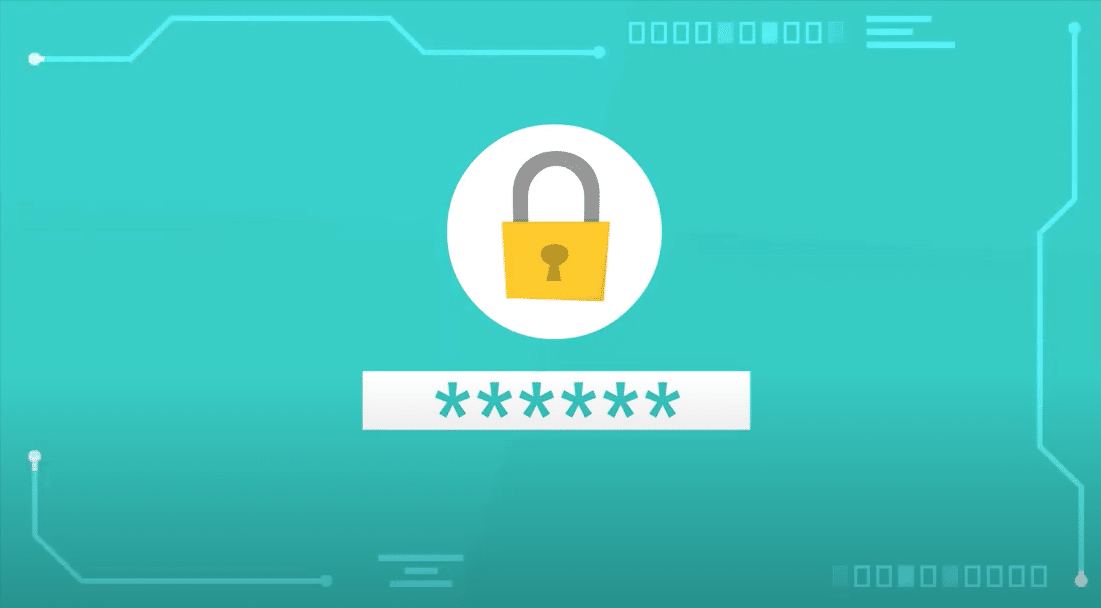
If you use the same basic password for everything, you are asking for trouble. Even a rebel without a cause would have fun with that. Make sure you use a complex password; one with a mix of upper and lower case, numbers and symbols. Hot tip: If you nearly forget it yourself, it’s a good one! Never share passwords or sensitive information via email or messages to avoid compromise. Remember to change your password regularly, once every 30 days is the recommended best practice. I also recommended you install two-factor authentication on all devices and programs for an additional line of defence. This common cybersecurity practice helps protect against unauthorised access. And no, for the last time, ‘Password’ is not a good password. Don’t make me say it again.

Know your hardware

Freddy from Finance has no business borrowing your USB, and vice versa. Take ownership of all of your hardware, inclusive of your computer, USB and hard drive. We also recommend that each employee has their own secured accounts for online services, including email and any other software programs you use.

Think before you click

Phishing attacks often mimic trusted sources to make you click on malicious links, increasing the risk of compromise. We are all guilty of being suckered into clickbait; the enticing news article titles that promise more information, but never deliver. This tactic is also used in phishing attacks, which attempt to obtain sensitive information. Remember, curiosity killed the cat, so we need to avoid pop-ups and unknown links and email messages at all costs. Always check with your IT manager to ensure that links are safe to access.

Install Anti-Virus Protection and Firewall

This software takes the guesswork out of malicious attacks by preventing them from entering your systems. It is the number one line of protection and has the potential to eliminate user error completely. And remember, there is no point in having it if you do not keep it up to date. Effective security measures involve regularly updated systems and staying alert to cyber threats.

Implementing Multi-Layered Cyber security

Cyber security isn’t one-size-fits-all with apps and services. A stacked strategy with secure passwords, software updates, and tools like firewalls and intrusion detection systems is the way to go. Regular software and apps updates are essential methods to control vulnerabilities in systems. Protect access and keep sensitive info under wraps to manage business like a pro amidst the rising tide of cyber threats.

Update Your Software Regularly

Outdated apps and software are the easiest vulnerabilities hackers exploit. Always install system and application updates as soon as they’re available. These patches often fix security vulnerabilities before attackers can exploit them.

Secure Your Wi-Fi & Remote Connections

Your home or office Wi-Fi network should never be “set and forget.” Make sure your router uses WPA3 or WPA2 encryption, has a strong, unique password, and hides the default network name (SSID). If you work remotely, always use a VPN to protect your connection from eavesdropping.

Be Wary of Public Wi-Fi

That free public café Wi-Fi isn’t really free—it could be a haven for malicious cyberattacks. If you must use it, avoid logging into sensitive accounts (like banking or email) unless you’re on a secure, encrypted VPN.

Lock Your Devices

Control access to computers and lock your devices to protect against unauthorised access. Step away from your desk? Lock your computer and mobile device, even if it’s just for a coffee break. Unattended devices are an open invitation for unauthorised access.

Back Up Your Data

Accidents (or ransomware) happen. Regularly back up your files to a secure cloud service or an encrypted external drive. That way, even if something goes wrong, your important data isn’t gone forever. Ensuring data is stored securely helps avoid the identity compromise risk.

Stay Alert to Social Engineering

Cyber threats aren’t always technical—sometimes they rely on psychology. Be cautious of phone calls, texts, or even in-person requests for information. If something feels off, it probably is. Suspicious requests could lead to identity or information compromise if mishandled. Always verify suspicious requests before sharing sensitive information.

So there you have it; my top tips on what you can do to prevent cyber security breaches. For questions, concerns and smart remarks, contact my knowledgeable tech mates for cyber security services at ADITS on 1300 361 984, or at enquiries@adits.com.au

Whether you’re in Brisbane, Townsville, or beyond, we’re here to support you! Cheers!

FAQs

Q1: Why is end-user cyber security so important?
Most breaches happen due to human error. Even the strongest security systems can be bypassed if employees use weak passwords, click on phishing links, or leave devices unlocked. Strong end-user awareness is the first line of defence.

Q2: How often should I update my passwords?
Best practice is every 30–60 days, and you should always use a mix of upper and lower case letters, numbers, and symbols. Even better, use a password manager or passkeys to keep your accounts secure.

Q3: Is public Wi-Fi really that dangerous?
Yes. Public Wi-Fi networks are often unsecured, meaning attackers can intercept your data. If you must use it, always connect through a trusted VPN and avoid logging into sensitive accounts like banking or work email.

Q4: What’s the easiest way to improve my cyber security today?
Enable multi-factor authentication (MFA) on all accounts. It adds an extra layer of protection beyond your password and blocks most unauthorised access attempts, even if your credentials are stolen.

Q5: Do I really need to back up my data if I’m careful?
Yes. Being careful isn’t enough. Hardware failures, ransomware, and accidental deletions happen all the time. Regular backups to a secure cloud or encrypted drive ensure your data is safe no matter what.