Demystifying Managed Security: What Your Managed Services Provider Doesn’t Cover

Did you know that in Shani Shingnapur (a village in India), the houses have doorways but no doors*? 

If you think the village residents are taking security for granted, would you be surprised to learn that some businesses also have no doors? 

In Australia, there are businesses that have managed IT services but no cyber security strategy in place – and some may think they do because IT encompasses many different technologies, capabilities and functions. We’re here to tell you that partnering with a Managed IT Services Provider (MSP) does not automatically mean your cyber security is covered. In that instance, it is very much like having a house with just an open doorway or having a house with a door but without any lock at all. 

This article explores the difference between general managed services and specialised managed security services, beginning with a background on managed IT services. 

(*NOTE: Read to the end to find out why houses have no doors in Shani Shingnapur.) 

Understanding Managed IT Services 

Managed IT services is the practice where a third-party provider manages your IT by maintaining your infrastructure and anticipating your needs for a fixed monthly fee. These services should align with the goals and vision of the business, and by doing so can boost productivity and efficiency. Often those services include: 

  • Cloud management 
  • Monitoring and maintenance 
  • IT support 
  • Regular hardware and software upgrades and patch installation 
  • Backup and recovery 

Benefits of Managed IT Services 

Managed IT services are for businesses that may not have the time, skills, or experience to deal with certain IT tasks on their own, and also want to focus on more meaningful projects. Partnering with an MSP has many advantages such as: 

Cost Savings 

  • Fixed monthly fee which removes unexpected costs  
  • Reduced hardware and software expenses 
  • No need to spend on hiring, training, and retaining in-house IT staff

Less Downtime 

  • 24/7 system and network monitoring  
  • Proactive detection and resolution of IT problems can prevent downtime 
  • Backup and disaster recovery solutions can reduce downtime in case of any cyber threat, catastrophe, or equipment damage 

Productivity & Efficiency Boost 

  • Overseeing all the IT needs of a business helps to keep it running smoothly 
  • More time and resources to focus on core business activities and goals 

Top Tech Tools & Expertise 

  • Access to a range of the latest tools and technologies 
  • Tap into specialised knowledge, skills, and experience 

The advantages of managed IT may vary from sector to sector. This article shares details applicable to medical, healthcare, and associated services: 5 Key Ways IT Services Can Help Healthcare Professionals. 


cyber-security-vital-element


Cyber Security: The Vital Element 

With all the benefits of managed IT, not all MSPs offer the same level of service or expertise. Traditionally MSPs would exclude cyber security from their general managed services, which can unwittingly leave a business vulnerable to cyber threats.  

Cyber security has become essential to all businesses and cannot be considered as an add-on anymore. It requires specialised knowledge and tools that help to protect your data, systems, and networks from cyber-attacks, and should align with your day-to-day IT management. Nowadays, you must consider managed IT services agreements that include comprehensive cyber security solutions. 

The Specialisation that is Cyber Security 

Whilst a heart surgeon is a specialist within the medical field, a cyber security expert is a specialist within IT. All IT professionals will probably have a rather solid understanding of computer systems, but chances are they are not all cyber security experts.  

For example, MSPs can install a firewall but may not be equipped to respond to a sophisticated data breach or ransomware. They might also set up email filters to block spam but some won’t have the expertise or the tools if your staff click on a malicious phishing email. 

Similarly whilst MSPs usually handle regular software updates, not all MSPs are up-to-date with the latest security vulnerabilities that require urgent patches. 

Cyber security specialists are specifically trained to protect your business from all sorts of cyber threats, so they need to have: 

  • Up-to-date knowledge about security vulnerabilities and threat mitigation techniques, especially since cyber threats keep evolving 
  • A full understanding of the industry regulations and standards related to data protection and privacy 
  • Strong problem-solving skills and the agility to quickly respond to security breaches and minimise damage 

The Importance of Specialised Cyber Security Services

Cyber security is never a one-size-fits-all solution. Different businesses have unique needs and goals. Every business must have cyber security measures that are tailored to their industry, location, and business objectives and requirements. 

If you are a business owner or manager of an organisation, you know the extreme importance of keeping your operations running smoothly and securely. You probably also know how challenging it can be to keep your business fully compliant with regulations and safe against cyber threats. For example, there are compliance issues specific to medical practices as we discuss it in our article How IT Services Can Help with Compliance in Your Medical Practice. 

A managed cyber security service could be the answer to those challenges. 

Managed Cyber Security Services in Brisbane or Townsville 

Managed cyber security services can help your business, whether it is located in Brisbane, Townsville or anywhere else in Queensland, with a comprehensive and tailored protection strategy that could provide: 

  • Access to a dedicated team of cyber security experts who understand your industry and local market 
  • A proactive approach that mitigate cyber-attacks before they cause too much damage or disruption 
  • A 24/7 monitoring and alerting system that detects and responds to any suspicious activity or incident 
  • A regular reporting and review process that keeps you informed and compliant 
  • A flexible and scalable service that adapts to your changing needs and growth 

cybershield-datasheet-download-now

What to Look for in a Cyber Security Provider 

When choosing a partner for your cyber security needs, look for the following: 

  • Experience and expertise in your industry and region 
  • A holistic and integrated approach that covers all aspects of cyber security 
  • A transparent and collaborative communication style that keeps you in the loop 
  • A customer-centric and outcome-focused mindset that delivers value and satisfaction 
  • A commitment to continuous improvement and innovation that keeps you ahead of the curve 

Managed Security Services Demystified 

*There are no doors in Shani Shingnapur because its residents have faith in the full protection of Lord Shanaishwar (or Shani). The villagers believe that their Lord Shani lives right in the village to protect them from all threats. 

What about your business – who is protecting it? Are you 100% confident that your MSP can keep it safe from all cyber threats? Do you need to review your managed IT services contract or call your MSP to review which security measures are included in it? 

If you’re not sure about your cyber security posture, how compliant you are with your industry regulations and what reporting to expect as a board member or an executive in your business, ADITS has developed a tailored and comprehensive training workshop. 

The key takeaways 

  • Understand the gap between current efforts and where your organisation needs to be 
  • Discharge your responsibility 
  • How to grow a cyber skilled workforce 
  • Meet current and future regulation and legislation 

Register your interest to our board and executive training session:  

Top Cyber Threats in 2025 and How to Defend Your Business

Cyber threats in 2025 are more advanced, more frequent, and increasingly powered by artificial intelligence. From ransomware double extortion attacks to AI-generated phishing scams, businesses now face a threat landscape that evolves as fast as technology itself. No organisation—regardless of size or industry—is immune.

Key risks include ransomware that both encrypts and steals data, vulnerable Internet of Things (IoT) devices, supply chain attacks targeting vendors, state-sponsored campaigns fuelled by geopolitical tensions, AI-powered phishing and deepfakes, and the growing influence of quantum computing.

The good news? Businesses can stay ahead with the right strategy. This means investing in proactive cyber security measures such as staff training, multi-factor authentication, zero-trust frameworks, and quantum-resistant encryption planning. By working with a trusted cyber security partner, organisations can detect threats early, minimise downtime, and defend their most valuable assets.


laptop-ransomware

1. Ransomware Double Extortion

Ransomware is a form of malware that infects your IT systems and encrypts your data. You will only get your access back once you pay a ransom. After you do so, the cyber criminal should release your data, but there is no guarantee that things will go back to business as usual.  

Ransomware are not new. The double extortion steps are. The attackers will not only encrypt the victim’s data, but they will also steal it and threaten to release it publicly unless you pay another ransom.  

On the 2nd of January 2024, the Court Services Victoria (CSV) reported that Victoria’s court system had been hit by ransomware. The attack affected recordings of hearings in County Court cases, the Supreme Court, and the Magistrates Court. “It’s a double extortion approach. They take the data out and then encrypt it. If you don’t pay, they leak your data, and you will never access it,” noted Robert Potter of Internet 2.0.  

How to defend against ransomware in 2025:

  • Have a strong backup and disaster recovery plan in place so you can restore your data without paying the ransom.  
  • Keep your computer updated with the latest security patches 
  • Use strong passwords (via a password manager or passkeys) and multi-factor authentication.
  • Master email security by avoiding clicking on suspicious links or downloading attachments from unknown sources  
  • In case you’re a victim of a ransomware attack, immediately isolate the affected systems and power them down to prevent further damage. Then, get help from a cyber security solutions provider to chase the bad actors out of your systems and try to recover as much of your data as possible. But remember IT specialists are not magicians; without strong recovery measures in place, there isn’t much they can do about that!  


network-icon

2. Internet of Things (IoT) Devices

The Internet of Things (IoT) is the network of devices that can communicate and exchange data online. IoT devices can include smart appliances, sensors, cameras, wearable technology, and more. 

Because IoT devices can help with efficiency, productivity, and customer satisfaction, they will become even more prevalent this year. The Australian government estimates 21 billion IoT devices by 2030. However, these can pose a threat to businesses. IoT devices are often not very secure and can be easily hacked, so attackers can use them to gain access to the target’s network.  

The most recent available data from Check Point Research showed an average of nearly 60 IoT attacks per week per organisation. The most affected region was Europe, followed by APAC. One of the most affected sectors is Education & Research. 

To defend against IoT attacks, organisations should follow these best practices: 

  • Purchase IoT devices from brands that prioritise security. 
  • Secure your IoT devices with complex passwords, multi-factor authentication (MFA), encryption, and firewalls. 
  • Update your IoT devices regularly with the latest software and firmware patches. 
  • Use separate networks for IT and for IoT. 
  • Monitor your IoT devices for any suspicious or abnormal activity. 
  • Educate your staff and customers about the risks and responsibilities of using IoT devices. 
  • Implement a comprehensive IoT security strategy for your business and a zero-trust policy for connected devices.


3-boxes

3. Supply Chain Attacks

In 2025, attackers know businesses are only as strong as their weakest vendor. A supply chain attack targets the software, hardware, or services used by an organisation or its suppliers. Attackers will often target the weakest link in the supply chain, which can be a third-party vendor. After gaining access through the supply chain, the attackers will then move laterally to the target’s network.  

A memorable supply chain attack happened back in 2021 when cybercrime group, Revil, targeted businesses by exploiting a vulnerability in their Kaseya software platform. The attackers demanded ransoms of up to $7 million. Such attacks will increase this year due to the complexity of global supply chains, the reliance on third-party suppliers and the sophistication of cyber attackers with the widespread use of generative AI tools. 

Your business can reinforce its defences against supply chain attacks via these measures: 

  • Conduct regular risk assessments and audits of your suppliers and partners, verifying their security practices and compliance standards 
  • Implement robust security controls and policies for your systems and networks, ensuring they are updated and patched regularly* 
  • Train your staff and stakeholders on how to recognise and report suspicious or malicious activities or communications 
  • Establish clear communication channels and protocols with your suppliers and partners, so you can verify their identity and authenticity before transacting or sharing any sensitive information 
  • Develop contingency plans and backup strategies for your supply chain operations, testing them periodically 

*Ask your cyber security services Brisbane consultant or cyber security solutions Townsville provider for guidance.


government-office

4. State-Sponsored Attacks (SSA)

State-sponsored attacks are not just a big-business or government problem anymore. In 2025, geopolitical tensions have supercharged these attacks, targeting businesses in critical industries like healthcare, energy, and finance.

State-sponsored hackers use deepfake audio, video, and emails to impersonate executives, employees, or government officials, tricking victims into handing over sensitive information or system access.

Government entities and critical infrastructures must take proactive steps for protection against SSA, such as: 

  • Implement a robust and tailored cyber security strategy that covers all specific aspects of your network, systems, data, and people 
  • Monitor your network for any signs of intrusion or compromise, and respond quickly to any incidents 
  • Collaborate with industry associations and other government agencies to share information and best practices on SSA prevention and mitigation


5. AI-Generated Phishing & Deepfakes

This is the newest threat in 2025, and it’s spreading fast. Attackers now use AI to create emails, voice calls, and even live video feeds that look and sound real.

Imagine receiving a video call from your “CEO” instructing you to wire funds, but it’s actually a deepfake attack. Or getting a phishing email that perfectly mimics your supplier’s style and tone.

How to defend against AI phishing:

  • Educate staff about AI scams and deepfake red flags.
  • Implement MFA beyond SMS (use authenticator apps or hardware keys).
  • Introduce internal verification processes for financial or sensitive requests.
  • Use AI-driven security tools that can detect anomalies.


quantum-computing

6. Quantum Computing

While practical quantum computing could still be a few years away, significant developments are happening. As quantum computers are able to perform tasks much faster than classical computers, it can be both good and bad for cyber security.  

Quantum computing could improve cryptography and create more secure communication channels. But quantum computers can also pose a serious threat to cyber security solutions: They can break some of the current encryption methods that protect data and communications. 

Further developments in quantum computing in 2025 could include the following: 

  • Cyber actors are collecting encrypted data now (so they can crack it open when quantum computing allows them to do so) 
  • Continued investment and research in developing quantum computers by both governments and private companies 
  • Increased interest in using quantum computers for artificial intelligence, machine learning, optimisation and simulation, cryptography, chemistry, physics, biology, medicine, and finance 

To prepare for quantum computing, monitor its developments and trends, and start exploring quantum-resistant encryption methods that would be hard for both classical and quantum computers to solve.  

You’re Only As Strong As Your Weakest Link

Considering human error is the leading cause of cyber security incidents, you can start preparing for all these cyber threats by understanding your human risk areas. 

ADITS offer a free Human Risk Report to all businesses in Brisbane, Townsville and surrounding areas.

This solution will: 

  • Scan your domain and employees’ email addresses on the dark web 
  • Test your staff against a phishing attack 
  • Give you a security score and the timeframe of your future data breach 
  • Provide actionable steps you should take to reinforce your infrastructure from the bottom up

FAQs

Q1: What is the biggest cyber threat for businesses in 2025?
While all threats are significant, ransomware with double extortion remains one of the most damaging. Attackers not only encrypt critical data but also steal it, threatening to leak sensitive information unless an additional ransom is paid.

Q2: How does AI make cyber attacks more dangerous?
AI allows attackers to create highly realistic phishing emails, voice calls, and even deepfake video conferences that are nearly impossible to distinguish from legitimate communication. This makes traditional defences less effective and increases the importance of verification processes and advanced detection tools.

Q3: Are small and medium-sized businesses (SMBs) really at risk?
Yes. SMBs are often prime targets because they may lack dedicated cyber security teams or advanced defences. Attackers know smaller businesses can provide an entry point into larger supply chains, making them a valuable target.

Q4: How can my business prepare for quantum computing threats?
While quantum computing isn’t an immediate danger, businesses should monitor developments and begin exploring quantum-resistant encryption methods. Early adoption will ensure long-term data security once quantum computers become more powerful.

Q5: What’s the first step to protect against these 2025 threats?
Start by assessing your human risk factors—since most breaches begin with human error. Conduct phishing simulations, test staff awareness, and work with a cyber security provider to strengthen your systems, processes, and defences from the ground up.

Get your free report now: 

Navigating Cyber Security Compliance and Regulations: Essential 8 vs. Privacy Act

The ASD Cyber Threat Report 2022-2023 released mid-November 2023 highlights alarming results. It reveals that:

  • The number of cybercrime reports has increased by 23%
  • The average cybercrime cost per report is up 14%

Cybercriminals were described as adversaries who show “persistence and tenacity” and “constantly test vulnerabilities in Australia’s cyber ecosystem and employ a range of techniques to evade Australia’s cyber defences.”

As an authorised Australian Government framework, the Essential Eight were of course among the measures suggested in the report to be implemented. We’ll start off by reviewing the Essential Eight and then delve into a framework that is less talked about but is actually mandatory for most Australian organisations – the Privacy Act.


The Essential 8 is a Good Foundation (But Not the Finish Line)

The Essential Eight is a set of controls prescribed by the Australian Cyber Security Centre (ACSC) to protect organisations from cyber threats and attempts to compromise the personal information of their customers and stakeholders.

The eight strategies are:

  • Application control – restricting the use of unapproved software
  • Patching applications – updating software to fix vulnerabilities
  • Configuring Microsoft Office macro settings – disabling/limiting macros from running malicious code
  • User application hardening – disabling exploitable features (e.g., web browser plug-ins)
  • Restricting administrative privileges – limiting the number of users who can perform high-risk actions
  • Patching operating systems – updating the system software to fix security vulnerabilities
  • Multi-factor authentication – requiring an additional security layer to verify a user’s identity
  • Daily backups – creating copies of important data and storing them securely

The ACSC has developed a security model from 0 to 3 for each of these strategies. An organisation with a maturity level 0 has not achieved any of the requirements. A level 3 means the organisation has achieved a high level of maturity. A common misconception is that organisations must achieve level 3 to be compliant. On the contrary, organisations can adopt the maturity level they need, depending on their vulnerabilities to cyber threats.

The Essential Eight cyber security risk mitigation are baseline strategies, and implementing them is the minimum expected from organisations. They are foundational and highly recommended, but your cyber security efforts should not stop there.


The Privacy Act: Mandatory for Data Protection

In its latest report, the Australian Signals Directorate (ASD) urges businesses to ensure resistance to cyber threats and go beyond the Essential Eight.

Say hello to the Privacy Act 1988.

Whilst the Essential Eight is one of the most well-known frameworks in Australia, its strategies are actually not mandatory. In contrary, the Privacy Act is less mentioned but most Australian organisations handling personal information must comply with it.

The organisations covered by the Privacy Act have an annual turnover greater than $3 million* OR are:

  • An Australian Government agency;
  • Private sector health service providers including private hospitals, therapists, gyms and child care centres;
  • Not-for-profit organisations;
  • Businesses that sell or purchase personal information;
  • A credit reporting body;
  • A contracted service provider for an Australian Government contract;
  • A business that holds accreditation under the Consumer Data Right System; and
  • A business that is related to a business that is covered by the Privacy Act.

*Note: Following the Privacy Act review in September 2023, one of the ‘Agreed in Principle’ proposals was the abolishment of the small business ($3m) exemption. Find out more.


The Privacy Principles

The Privacy Act includes 13 Australian Privacy Principles (APPs) that organisations must comply with, so you should be careful of the financial risks if you were to be assessed by the government. Meanwhile, whilst the Essential Eight are not mandatory, being non-compliant with some of those steps could lead to legal actions under the Privacy Act.

In short, the Essential Eight and the Privacy Act are both vital to IT security and data protection – but let’s look at the Privacy Act in more detail. The law regulates how personal information is handled by organisations and agencies. Below is an overview of the APPs which set the standards, rights, and obligations for collecting, using, disclosing, storing, securing, and accessing personal information.

Principle Title Summary
APP 1 Open & Transparent Management of Personal Information APP entities must have a privacy policy and handle personal information lawfully and fairly.
APP 2 Anonymity & Pseudonymity Individuals must have the option to not identify themselves or use a pseudonym when dealing with APP entities, unless impracticable or unlawful.
APP 3 Collection of Solicited Personal Information APP entities must only collect personal information that is reasonably necessary or directly related to their functions or activities and do so by lawful and fair means.
APP 4 Dealing With Unsolicited Personal Information APP entities must determine whether they could have collected the personal information under APP 3 and, if not, destroy or de-identify it as soon as practicable.
APP 5 Notification of the Collection of Personal Information An APP entity that collects personal information must tell an individual about certain matters under certain circumstances.
APP 6 Use or Disclosure of Personal Information APP entities must only use or disclose personal information for the purpose for which it was collected unless the individual consents or an exception applies.
APP 7 Direct Marketing An organisation may only use or disclose personal information for direct marketing purposes if certain conditions are met.
APP 8 Cross-Border Disclosure of Personal Information Outlines what an APP entity must do to protect personal information before it is disclosed overseas.
APP 9 Adoption, Use or Disclosure of Government Related Identifiers APP entities must not adopt, use or disclose a government-related identifier of an individual, unless the identifier is prescribed by law, or an exception applies.
APP 10 Quality of Personal Information An APP entity must take reasonable steps to ensure that the personal information they collect, use, or disclose is accurate, up-to-date, complete, and relevant.
APP 11 Security of Personal Information APP entities must take reasonable steps to protect personal information from misuse, interference, loss, unauthorised access, modification or disclosure, and to destroy or de-identify personal information when it is no longer needed.
APP 12 Access to Personal Information An APP entity must give individuals access to their personal information on request, unless an exception applies, such as when giving access would pose a serious threat to someone’s life or health.
APP 13 Correction of Personal Information Outlines the reasonable steps an APP entity must follow to correct personal information that is inaccurate, out-of-date, incomplete, irrelevant or misleading, either on their own initiative or at the request of the individual.

Over the last few years, we’ve seen an influx of cybercrime which prompted a lengthy review of the Privacy Act. In September 2023, a report was released over 100 new principles and while some were agreed in full, there were many only “agreed in principle”. One in particular was the proposal to remove the exemption for small businesses.


Discover How This Impacts Your Organisation

How the Privacy Act Review Affects Non-Profits

How the Privacy Act Review Affects the Medical Industry

How the Privacy Act Review Affects the Education Sector

See Privacy Act Report


The Essential 8 and The Privacy Act: Parallel Paths to Protection

The frameworks of the Essential Eight and The Privacy Act both aim to enhance the cyber resilience and privacy protection of Australian entities. Here’s how they compare:

The Essential 8 The Privacy Act
What is it? A recommended set of eight strategies to mitigate cyber security threats and incidents. A comprehensive law that regulates the handling of personal information.
What’s the purpose? To help organisations prevent or minimise the damage caused by cyberattacks. To help organisations comply with their legal obligations and ethical responsibilities when handling personal information.
How do organisations benefit from it? Reduction of cyber-attack risk and protection of sensitive data. Prevention of data breaches and improvement in customer trust.
What are the consequences of non-compliance? No penalties but can increase the risk of threats and compromise sensitive data. Companies:

1. AU$50 million, or;

2. Three times the value of benefits obtained or attributable to the breach (if quantifiable) or;

3. 30% of the corporation’s ‘adjusted turnover’ during the ‘breach turnover period’ (if the court cannot determine the value of the benefit obtained)

Individuals:

Was $440,000 but was increased to $2.5 million on December 13th 2022.

What’s involved? Assessing an organisation’s current level of compliance, based on a four-tier maturity model, then implementing the strategies and moving toward optimal protection at maturity level 3. Understanding an organisation’s obligations under the APPs, then implementing privacy policies and practices, guided by resources and tools from the OAIC.
Who’s covered? Recommended for all organisations, but not mandatory for Australian businesses. Mandatory for organisations with an annual turnover of more than $3 million*. Some small businesses are also covered if they store person identifiable information and meet other criteria.

*This is expected to change following the Privacy Act Review.

Is it mandatory? Not mandatory for Australian businesses, but highly recommended.


Mandatory for Australian businesses that meet the criteria of APP entities.


What Your Cyber Security Strategy Should Look Like

In the end, your organisation should aim for the level of cyber protection that is best suited and ensure full compliance with laws and regulations. You can approach it with a combination of the 8 mitigation strategies and the 13 principles.

ADITS CyberShield solution takes cyber protection to a whole new level where security is at the core of everything we do. Our offering includes managed services and compliance & governance measures as well as security measures and monitoring to ensure your business is industry compliant. Whether you’re based in Brisbane, Townsville, or elsewhere, ADITS has you covered with tailored solutions to safeguard your organisation.


Your Cyber Security Journey

Compliance does not automatically translate to strong cyber security. Likewise, cyber security is not “set and forget”. It is a continuing process that needs your attention and effort if you want to ensure that your systems and data are always protected.

Understanding the Essential Eight and the Privacy Act is important. Since cyber security is complex and ever-evolving, it’s also vital to keep up-to-date with cyber security solutions, trends, and best practices. Though cyber security may seem mostly technical, it is in fact a business matter.

Executives and board members are personally liable in the event of a breach so instilling a cyber security culture throughout the organisation should be a priority.

With this in mind, ADITS is launching a half-day certified C-Suite training workshop where we’ll go through:

  • Data security and privacy compliance
  • Potential risks to your business and how to address them
  • Personal liabilities
  • Reporting
  • Crisis management recommendations
  • Best practices for policies and procedures

Register Your Interest For Our C-Suite & Board Training

7 Proven Ways You Can Master Email Security

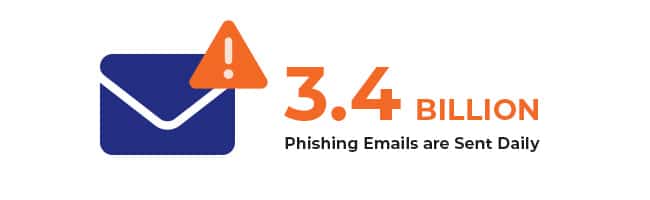
Around 3.4 billion phishing emails are sent daily.

It boggles the mind. But such a high number could suggest that people continue to fall for phishing. They’re becoming more sophisticated, too. Plus, it has become a lucrative industry for cyber-criminals.

Can you ever fight cyber-crime? How do you avoid the threats that come via email?

Know Your Enemy: The Biggest Email Threat to Your Business

It pays to know the most common threats that target our email inboxes. Let’s see what we’re up against:

Phishing

The most common cyber threat, phishing involves a devious email that looks legitimate. It aims to trick the recipient into providing sensitive information. When attackers get your information, they can infiltrate your system and access your data.

Spear Phishing

A highly targeted phishing type, spear phishing gets information from social media or other sources to create personalised emails. Business email compromise (BEC) is a form of spear phishing and a top culprit in getting employees to reveal confidential business information.

Ransomware

When an email recipient unknowingly clicks on a malicious link, it installs malware on their computer. The malware then encrypts your files, and then the criminals will demand a ransom payment in exchange for decrypting your files. In some cases, your data could end up on the dark web, for sale to the highest bidder.

Email Hijacking

Email hijacking happens when someone gains unauthorised access to your account. The hacker then uses your account to send spam emails, steal sensitive information, or access online banking or other services.


Your Defence: Email Security Measures to Protect Your Business

Email security is crucial to preventing cyber-attacks on your organisation. Here are the most effective ways to stop those threats:

1. Implement Strong Password Policies

Ask all your staff to use strong passwords: at least 12 characters long (longer is better), with a combination of uppercase and lowercase letters, numbers, and special characters.

Below are other password security practices you can implement:

  • Never write down your password, save it in a file, or take a photo of it.
  • Never share your password with anybody.
  • Change your passwords regularly.
  • Use a reliable password manager app.
  • Use a passphrase with three unrelated words.
  • Use a different password for each of your accounts.

2. Use Multi-Factor Authentication (MFA)

MFA adds extra layers of security to your email. Aside from your password, MFA may require:

  • A PIN sent to your phone or email
  • A code on your authenticator app
  • A fingerprint
  • Facial recognition

You can enable MFA in your account settings in Outlook or whatever email app you’re using. Ask all your staff to do this.

3. Activate Email Security Features

Use your email’s security features and settings for anti-spam, anti-phishing, and anti-malware. Some may also have the capability to protect sensitive information, or detect and deflect unsafe links or attachments in real-time.

Ask your IT staff or provider for guidance about other protection features such as firewalls, attack surface reduction, automated detection and response, and managing mobile devices and apps.

Cyber security solutions like ADITS’ CyberShield can help you against sneaky email threats. It can help in implementing advanced policies on email threat protection, including advanced attachment scanning and link checking.

4. Don’t Click Links, Don’t Open Attachments You Didn’t Ask For

It’s always safer to not click a link, so:

  • Never click links or attachments that are suspicious.
  • Never click links or attachments in emails from unknown senders.
  • Never click links or attachments even from known senders UNLESS you have verified that it’s really from them. (Call them if you need to.)
  • Never click links or attachments in emails you are not expecting.

Ask yourself: What’s the worst that could happen if you don’t click a link?

Note that malicious links or attachments usually includes subjects or messages that stress urgency, stir a fear of missing out (FOMO), or try to gain your trust. Beware:

  • Watch out for subtly altered email addresses or company names (with A replaced by 4, I replaced by 1, and similar character swaps).
  • Take caution with zip files. They can contain malware.
  • Attachments with exe, .vbs, .scr, .cmd, and .js filename extensions are prime suspects, but it doesn’t mean other file types are safe.
  • Use an attachment scanner.

5. Keep Your Email Software Updated

Any app or software can have vulnerabilities, and the best way solution to that is keeping your software updated. Updates usually have new patches or features that improve your software’s performance, security, and compatibility.

Choose to enable automatic updates in your email software settings or manually check for updates regularly. Either way, install updates as soon they are available.

6. Build a Cyber-Aware Culture

Don’t think about email security only when you’re using email. Develop a cyber-aware culture in your organisation, where each person becomes responsible for repelling cyber threats.

Demonstrate your personal commitment to email security.

  • Lead by example. Do as you say.
  • Talk about email security regularly.
  • Make it a part of the performance review process.
  • Allocate a budget to cyber security initiatives.
  • Offer incentives for contributing to your cyber security campaign.

7. Stay Informed & Educate Your Employees

Achieving a cyber-aware culture involves training and education. Keep yourself up-to-date with cyber security news.

Follow email security experts and industry groups on social media. Subscribe to email security newsletters. Attend cyber security conferences and events. You could even take online email security courses.

Of course, don’t keep it all to yourself. Share what you learn with everyone. Develop a cyber security training program that your staff can enjoy. Do regular trainings. Simulate situations so they know exactly what to do. Be generous with information via email, posters, flyers, etc.

Be Vigilant: Do These Today

Implementing email security measures doesn’t have to be expensive. Take the next step: instantly apply these email security tactics to protect your organisation in Brisbane, Townsville, and beyond.

For more information about email security and cyber security solutions as a whole, our specialists can give you a free consultation today. ADITS is your ally against all cyber threats and we’re just one call away at 1300 361 984 (Opt 3).

Stay vigilant.

Cyber Security Training: Making It Fun & Effective for Your Team

What happened when you bought the newest, coolest gadget for someone who didn’t know how to use it?

a) It stopped working quite soon.

b) It was used for a while and then forgotten.

c) The person really enjoyed it because they learned to use it properly.

It’s hard to enjoy its benefits when we don’t understand how something works. The same is true for cyber security in your business: You can spend for it, get the best solutions and tools, hire the most expensive consultants – but maybe for nought if your staff are not highly cyber aware.

Cyber security training is key

Our lives are now highly digitalised. IT has become essential to business. Cyber security has become extremely vital to keeping our information and systems safe. At the core of your cyber security strategies should be one key component: Training.

Why? Because human error is still the leading cause of cyber incidents. Training your employees can transform them from passive onlookers (or even weak links) into active cyber security assets.

Make your cyber awareness training more effective

Training is a must for any effective cyber security strategy, but don’t do it just to tick a box. Train your people so they can actually stop cyber threats. How can you do it more effectively? Here are some ideas…

1. Do it more often.

One annual in-person course is good but doing training two or three times in a year can help your staff to retain the lessons better. Doing training more often can also highlight the importance you give to cyber protection.

2. Keep it short.

Humans have a short attention span. People also get distracted more easily. Don’t try to cram everything into one long session. Do shorter ones instead. Doing trainings more frequently also means you can make them shorter and more focused. Plus, support in-person training with short online lessons and resources and sharing articles or videos with your staff. Utilise microlearning to feed your staff with bite-sized information.

3. Notify in advance.

Most people would appreciate an advance notice, when their calendars are still more flexible. It can also give you an idea of the number of participants, especially with pre-registration.

4. Present choices.

When a cyber security course is mandatory, it will feel like a chore, so provide your target trainees with options. Have them choose a schedule or a format (in-person or online), whenever possible. People will feel better with choices rather than when “forced”.

5. Show the benefits.

People tend to get involved when they know “what’s in it for me?”. Encourage everyone to join by presenting the benefits to their work and to the company. This can also heighten engagement for your entire cyber security campaign.

6. Make it personally relevant.

When presenting the benefits of cyber security education, mention how it can personally benefit the participants. It can increase their value as an employee, add to their skills (and to their CVs), give them better protection in their personal online activities. Stress their individual role in preventing cyber-attacks and in Australia’s cyber security leadership.

7. Make it real – avoid theories and reduce jargon.

Theories bore people. Show your trainees practical applications in their work. Aim at nurturing their cyber security skills, not brains full of technical terms. Most people will not care about IT jargon, so present concepts in relatable ways. Use real-life illustrations and metaphors.

8. Hear them out.

Many people like voicing out their opinions or asking questions. Give them an opportunity to speak out in your training events. Include a feedback mechanism that you can also use for improving your cyber awareness program.

9. Do regular audits.

Audits can include checking workstations for non-compliant software or asking staff about the company’s password policies. Just make sure you do it not to penalise but to teach cyber security in actual work situations. Audits can also reveal possible training gaps and training effectiveness.

10. Reinforce it.

Use every opportunity to build cyber awareness. Post printouts about multi-factor authentication or social engineering or other topics in your bulletin board or even on toilet doors. Send out emails on Cyber Mondays (or other day). Include some trivia in your newsletter. Create a cyber-aware culture where cyber security is always in their minds.

Perk up your cyber security awareness training!

Trainings can get people yawning. Make it more fun using these ideas:

1. Make it a hands-on experience.

Corey Bleach of EdgePoint Learning wrote: “Experiential learning puts your employees at the center of what they need to know (instead of making information the star).” People learn better by doing. Turn cyber security concepts into experiential activities.

2. Gamify it.

Games are very engaging, fun, and effective in teaching cyber security. Gamification is both mentally and physically stimulating, releasing dopamine and endorphins that both generate positive feelings that can set the mood for learning.  that both generate positive feelings that can set the mood for learning.

3. Build on teamwork.

People generally like being part of a team. Working in collaboration with other employees creates a sense of strength as a community. Emphasise the value of teamwork in fighting cyber threats and the importance of each member of your team.

4. Incentivise it.

Games work because people like winning. Award badges or points that staff can earn by attending training events or by applying cyber security measures in their work. Be generous in giving incentives – they don’t have to be expensive but can make an impact.

5. Use themes.

It can be as simple as asking trainees to wear a certain colour at the training. You can also:

  • Infuse relevant themes in your presentations like heroes and villains or tech celebrities.
  • Use monthly themes like Password Protection Month or Phishing Awareness Month.
  • Use course titles like “Don’t Even Think About Clicking the Link” (about malware) or “Spot the Difference” (about fake websites).

6. Incorporate music and songs.

Music makes remembering easier. Ask a friend with a knack for music to help you replace the lyrics of a popular song with a cyber security reminder, then teach it to the trainees. You could also use a war movie’s battle scene soundtrack to remind employees about being in a cyber war.

7. Use quizzes.

You can use cyber security quizzes for both in-person and online training or send them out weekly to your employees. Don’t make them too hard or too complex. Find ways to make them fun and engaging. Give out tokens for completion and prizes for perfect scores.

Train better with a cyber security services provider

Ready for web safety training? Who can help you better than cyber security experts? ADITS has been helping businesses prepare their employees to become cyber warriors. Just book a free consultation to find out more or contact us for enquiries.

Don’t wait for a data breach to knock at your door—it could bring your business down without warning. Start your cyber awareness training today, whether you’re in Brisbane, Townsville, or anywhere else. Stay proactive and secure!

Australian Age of Dinosaurs

This project was carried out to increase reliability, performance, and efficiency of Ruswin’s infrastructure. This customer also migrated to a cloud-based system, which allows for accessibility of data and information across all of their sites.

This project was completed over two weekends, outside of the business’s work hours, so they were ready to begin the working week without interruption.

8 Simple Steps to Bolster Cyber Security For Your Business ASAP

Imagine getting an email saying you no longer have access to your client files and financial data. Worse, the cyber criminals are asking you for money and they will release the data back to you once you pay.

Maybe you’re thinking, “We’re just a small non-profit – hackers won’t bother with us.”

But that’s exactly what happened to a small non-profit called Little Red Door. They did not pay the ransom, though, thinking they had no sensitive information anyway. However, it took them months to rebuild their client data.

But what can you do if your resources and IT knowledge are limited? How can you reduce the risk of a data breach or any similar cyber-attack?

If you haven’t got a cyber security solution in place just yet, here are some cyber security best practices that you can implement today to help protect your organisation.

Cybersecurity Tip #1: Use a Password Management App

Use a Password Management App

Yes, you’ve heard it before (and probably multiple times) that maybe you’re tuning out this advice. Still, the simplest thing you can do immediately is to require everyone in your organisation to use complex passwords. That means no more using your pet’s name and your date of birth ??‍♂️

But with complex passwords comes the challenge of recalling them. That’s where a password management app can help with storing and even generating passwords.

Cybersecurity Tip #2: Use multi-factor authentication

Use multi-factor authentication

Adding a step just to log into your own account can be annoying. However, the few seconds it takes you to do this is worth extra layer of protection against unauthorised log-ins.

The process to set it up is also simple as well, so you might as well make this part of your security policy for all devices that your staff use for work.

Cybersecurity Tip #3: Update your software routinely

Update your software routinely

Failing to update software regularly can leave security holes that cybercriminals can exploit. Keeping software up-to-date should be a standard rule in your business. It can be automated in many cases, so it may not require significant effort from staff and can reduce the risk of human error.

Cybersecurity Tip #4: Train staff regularly

Train staff regularly

Just as cyber criminals are getting better at what they do, you should help your team get better at recognising cyber threats. You can do this by providing online security training to staff on a regular basis.

This does not have to be a one-time thing. You can create a training plan to ensure that all staff get updated about cyber security every few weeks or so.

Cybersecurity Tip #5: Restrict admin privileges

Restrict admin privileges

Limiting administrative privileges is one of the most important cyber security measures. Yet, we often find many businesses with users that have unnecessary elevated privileges. The more users with admin access, the greater the security risk to your business. So, unless it is critical to their role (i.e. they can’t work without it), users should not have admin access.

Start by auditing who has access and evaluating whether they require access. If you’re unsure, talk to your Managed IT Services provider, they can help you identify who really needs the keys to your kingdom.

Cybersecurity Tip #6: Conduct vendor due diligence

Conduct vendor due diligence

Review the security and maintenance practices of third-party vendors. You may do this annually via due diligence coordination meetings with vendors. This can help you to monitor and audit vendor compliance with your requirements.

It’s also important that you review contracts with third-party vendors and ensure they include clear cybersecurity requirements and protocols. This can protect you from potential vulnerabilities or breaches originating from third-party vendors.

Cybersecurity Tip #7: Develop a risk mindset

Develop a risk mindset

Encourage your staff to question unusual events and quickly investigate potential fraud. It may require some training and ongoing education to reinforce such mindset, but it will be well worth the time and effort you put into it.

By developing a risk mindset within your organisation, you will be empowering your staff to be the first line of defence against cyber threats. This will help to create a culture of security awareness.

Cybersecurity Tip #8: Don’t wait – you can fortify your security right now

Lock icon with binary code

Don’t let the “cyber” in “cyber threats” deceive you into thinking that they only happen in cyberspace, or that they can only happen to others. Cyber threats are real, and they can affect businesses as well as our everyday lives.

Because the impact of cyber incidents can be costly and damaging in more ways than one (as Little Red Door had probably realised), the measures advised in this article should be done right now, if possible.

Talk to our friendly team today of cyber security experts – we’re only a message or call 1300 361 984 away! Whether you’re in Brisbane, Townsville, or beyond, we’re here to help!

Althea Projects

This project was carried out to all three of Althea Projects’ sites to improve performance and reliability of the network. As part of the customers roadmap, ADITS provided suitable recommendations for compatibility with upgraded infrastructure from our world-class vendors.

This project was completed over the 2-day weekend, outside of the businesses work hours, so they were ready to begin the working week without interruption.

CommunityGro

This project was carried out to two of CommunityGro’s sites to improve performance and reliability of the network. As part of the customer’s roadmap, ADITS provided suitable recommendations for compatibility with upgraded infrastructure from our world-class vendors.

This project was completed over the 2-day weekend, outside of the businesses work hours, so they were ready to begin the working week without interruption.